Driveway Leveling guide
This homeowner-friendly guide explains why a driveway can sink, what symptoms to watch for, and when concrete leveling makes sense versus replacement.
- What causes settlement
- Signs you should not ignore
- Leveling vs. replacement decisions
Free quote request
Phone-first. Takes about a minute.
No fake reviews. No pressure. Just a quick estimate and next steps.
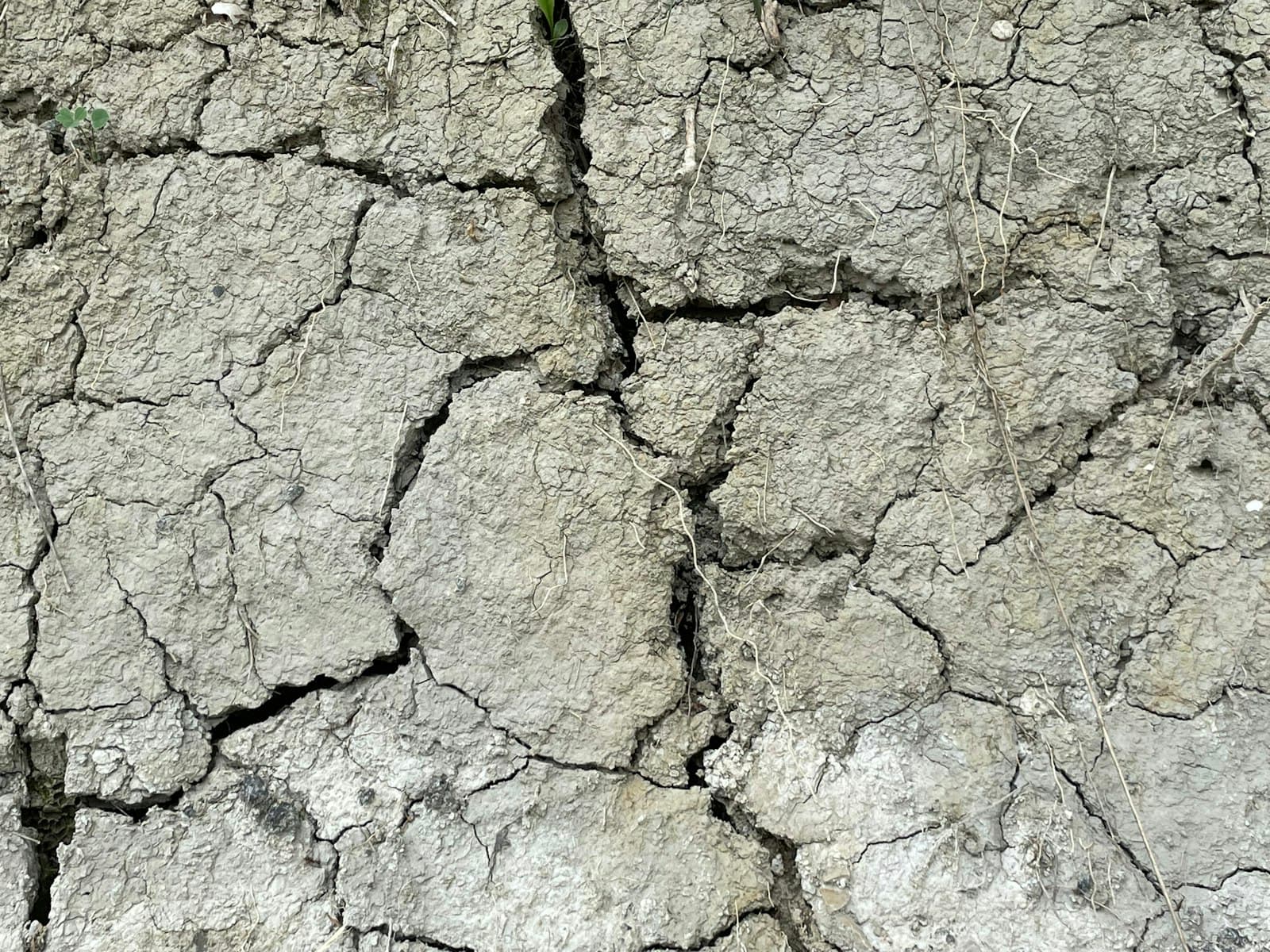
Common problems homeowners notice
- A drop at the garage apron or street approach
- Pooling water that freezes into slick patches
- A rough transition that scrapes bumpers or catches snowblowers
- Cracks radiating from a settled corner or control joint
Why it happens
Most settlement comes down to loss of support under the slab. The most common drivers include:
- Water washing fines away from the base (downspouts and grading are common culprits)
- Freeze-thaw cycles opening voids under the slab
- Heavy vehicle loading over unsupported areas
- Poor compaction during the original pour
When leveling is a good fit
Leveling is typically a good option when the slab is still in one main piece, surface wear is manageable, and the main issue is settlement or poor pitch. It is often faster and costs less than replacement for structurally sound concrete.
What to expect during a typical project
- Access holes are drilled and material is injected to fill voids
- The slab is lifted gradually to restore slope away from structures
- Holes are patched and the surface is typically usable the same day per crew guidance
When replacement is the better option
Replacement is more appropriate when the driveway surface is crumbling, heavily scaled, or broken into multiple pieces—because lifting won’t restore structural integrity.
Explore local service pages
For city-specific details and nearby market coverage, start with a location page.
Related reading
Frequently asked questions
Is driveway leveling usually repairable without replacement?▾
If the slab is still structurally sound (not shattered or heavily deteriorated), leveling can often restore height and support while keeping the existing concrete in place.
What causes a driveway to settle?▾
Common causes include soil washout from poor drainage, shrink/swell clay soils, inadequate compaction during original construction, and freeze-thaw cycles opening voids under the slab.
How long does the process take?▾
Many residential jobs are completed in a few hours. Your contractor can confirm timing based on slab size, access, and how far the concrete needs to move.
Will the drill holes be visible?▾
Access holes are patched after the lift. You will typically see small patched circles, but the slab surface and finish remain the same because the concrete is not replaced.
When is replacement the better option?▾
Replacement may be necessary when the concrete is crumbling, severely spalled, broken into multiple pieces, or when widespread cracking suggests the slab has failed structurally.